How House Framing Works: Step-by-Step Overview
People searching for house framing often want to understand the process and find skilled local contractors who can expertly handle the framing stage of building a home.
Understanding how house framing works: step-by-step overview can be a valuable resource for property owners considering new construction or renovations. Whether building a new home or adding an extension, knowing the basics of framing helps clarify the process and sets realistic expectations. Local contractors who specialize in house framing can guide property owners through each stage, ensuring the structure is sound and built to standard. Exploring this topic can also help property owners identify the right professionals for their project and make informed decisions along the way.
For those in the area planning to undertake a construction project, gaining insight into the framing process highlights the importance of quality workmanship and proper planning. House framing serves as the backbone of any structure, providing stability and shape to the entire building. Connecting with experienced service providers ensures that this critical phase is handled efficiently and correctly. Keep reading to learn more about each step involved and how local pros can support your construction or remodeling needs.
- House framing services are essential when constructing a new home and require skilled local contractors to ensure the structure is properly supported. Wall framing is needed when creating interior and exterior walls, with local service providers carefully measuring and assembling the framework. Roof framing comes into play during roof construction, where experienced pros design and build the supporting structure for the roof system. Foundation framing is necessary when establishing the base of the house, with local contractors ensuring the framing aligns accurately with the foundation. Custom or specialty framing may be required for unique architectural features, with local pros tailoring their approach to meet specific design needs.
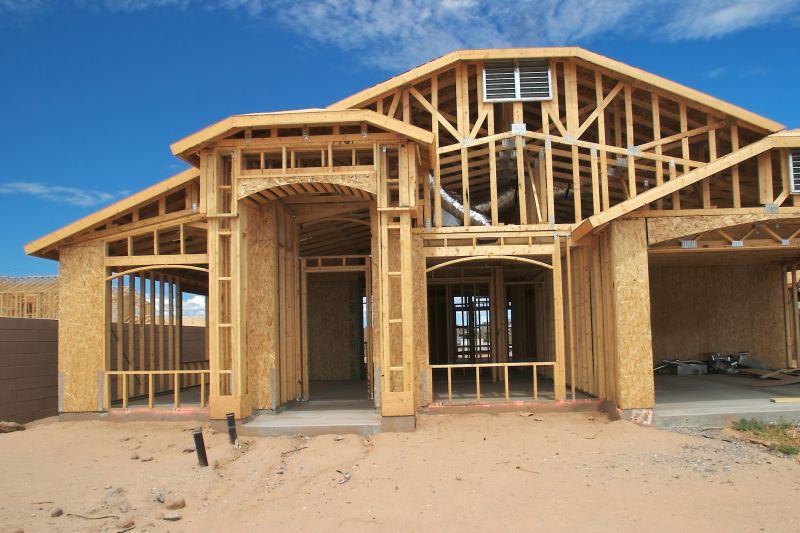
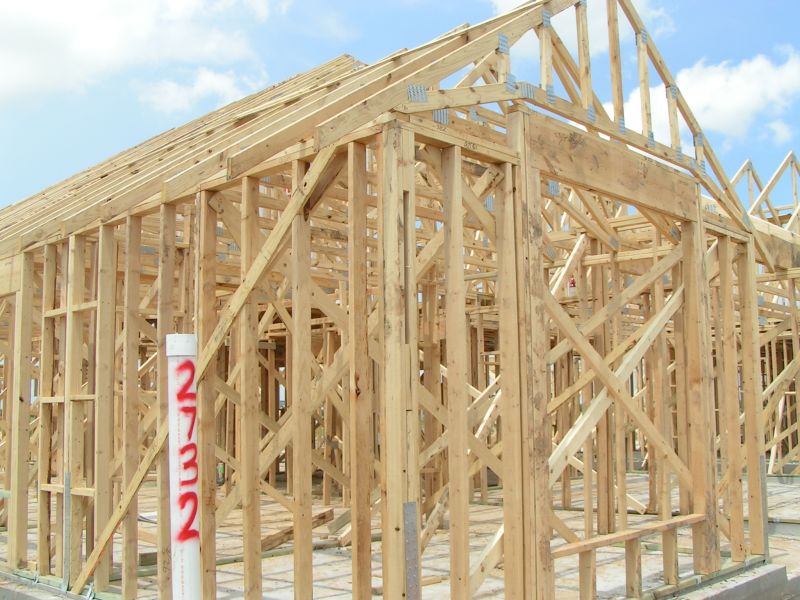
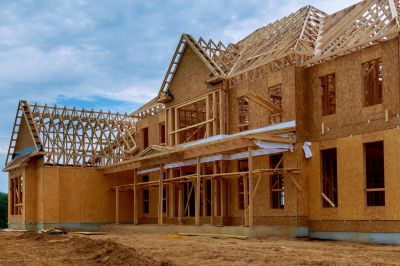
When searching for information about how house framing works: step-by-step overview, most homeowners are looking to understand the fundamental process involved in constructing the structural framework of a home. This topic often comes up during the early planning stages of building a new house or when considering major renovations. People want to grasp what’s involved in creating the skeleton of a property, including the materials used, the sequence of construction, and how the framework supports the rest of the building. Understanding this process helps homeowners make informed decisions, communicate effectively with contractors, and ensure their project aligns with safety and design expectations.
House framing is closely related to a variety of property types and construction plans. It typically applies to new residential builds, whether single-family homes, duplexes, or custom-designed houses. However, framing can also be part of larger renovation projects, such as adding extensions or rebuilding sections of an existing structure. The types of properties that come up in this context often include traditional stick-built homes, modular or prefabricated structures, and even some commercial or multi-family buildings. Regardless of the property size or design, framing is a critical step that establishes the shape, strength, and layout of the entire structure.
The process of house framing involves several key steps that local contractors follow to ensure a solid foundation for the rest of the building. It begins with preparing the site and laying out the foundation, which provides the base for the framework. Once the foundation is set, the framing process starts with constructing the floor system, followed by erecting the wall frames, and finally installing the roof structure. During each phase, local service providers use specific materials like wood or steel, and employ precise techniques to ensure everything aligns correctly. This step-by-step approach is essential for creating a safe, durable, and properly shaped building that can support the subsequent phases of construction.
For homeowners considering a new build or renovation, understanding how house framing works: step-by-step overview helps clarify the role of local pros in the project. These professionals bring expertise in interpreting plans, selecting appropriate materials, and executing each phase with accuracy. They work closely with other trades, such as foundation specialists and roofers, to ensure the structure is built to specifications. Connecting with experienced local contractors can make a significant difference in the quality and efficiency of the framing process, ultimately contributing to a well-constructed property that meets the homeowner’s needs and expectations.
Deck and Porch Framing - local contractors skilled in framing for decks and porches utilize similar techniques and tools as house framing, focusing on structural support and precise measurements.
Garage and Carport Framing - professionals experienced in garage and carport framing apply similar planning and construction methods to ensure stability and proper load distribution.
Interior Wall Framing - interior wall framing requires understanding of framing techniques and materials, making it a related skill set to house framing projects.
Roof Framing - roof framing involves complex structural planning comparable to wall and floor framing, requiring expertise in load-bearing support systems.
Commercial Building Framing - commercial framing projects share many skills with residential house framing, including material selection and structural layout planning.
Renovation and Add-on Framing - local service providers experienced in renovation framing use similar techniques to integrate new structures seamlessly with existing ones.
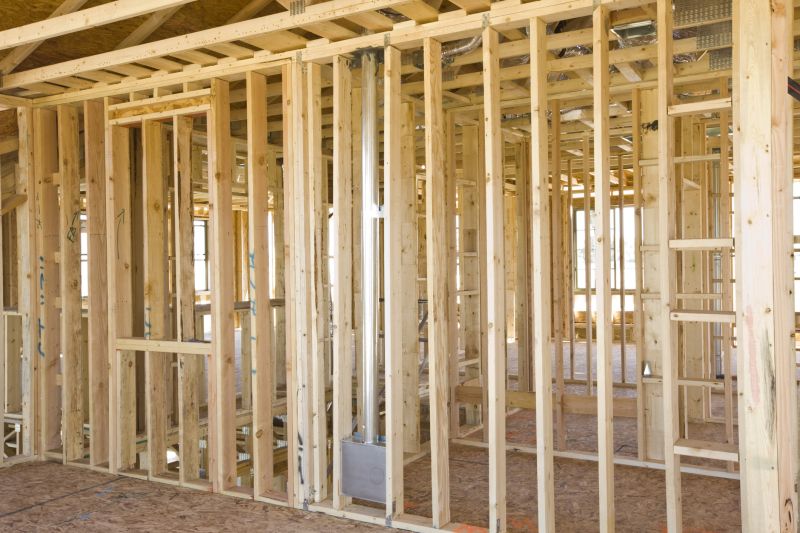
When evaluating house framing services, it’s important to consider a contractor’s experience with similar projects. Homeowners should seek out local contractors who have a proven track record of handling framing work comparable to their specific needs, whether that involves new construction, additions, or renovations. An experienced service provider will be familiar with the typical steps involved in how house framing works: from the initial layout and foundation to the assembly of walls and roof structures. This familiarity can help ensure the project proceeds smoothly and aligns with expectations for quality and craftsmanship.
Clear, written expectations are essential when comparing local contractors for house framing. Homeowners should look for service providers who are willing to provide detailed proposals or scope of work documents that outline the tasks to be performed, materials to be used, and the overall process. Having this information in writing helps prevent misunderstandings and provides a reference point throughout the project. It also demonstrates professionalism and transparency, making it easier to assess whether the contractor’s approach aligns with the homeowner’s goals for understanding how the framing process will unfold.
Reputable references and strong communication are key factors in selecting the right local contractor. Homeowners are encouraged to ask for references from past clients who had similar framing projects completed. These references can offer insights into the contractor’s reliability, work quality, and ability to communicate effectively throughout the process. Good communication includes prompt responses to questions, clear explanations of the work involved, and updates on progress. Choosing service providers who prioritize open dialogue and have positive references can help ensure that the house framing process is well-managed and meets expectations from start to finish.
Property owners often search for how house framing works: step-by-step overview when they are planning practical projects around their homes and businesses. Local pros provide House Framing services for everyday jobs and straightforward project options.
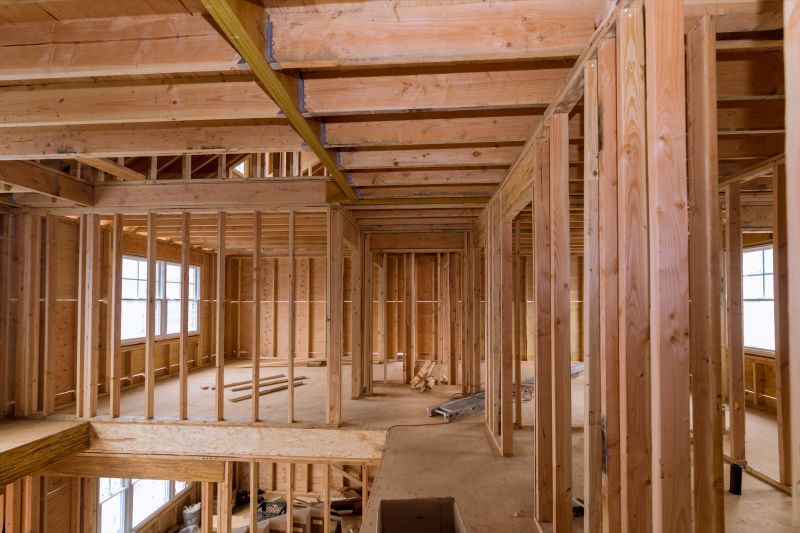
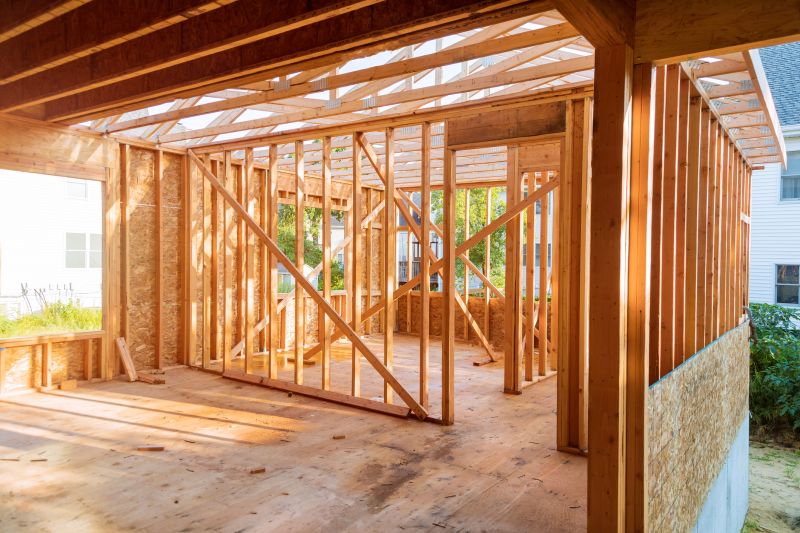
Understanding how house framing works: step-by-step overview can help property owners grasp the essential phases involved in constructing a sturdy and reliable home structure. For those planning new builds or major renovations, knowing the basics of framing can clarify what to expect during the project and why it’s important to work with experienced local contractors. These professionals handle everything from setting the foundation to assembling the framework, ensuring the skeleton of the house provides a solid base for the rest of the construction process.
Many property owners in the area look up this topic to better understand the scope of work involved in framing and to identify qualified service providers for their project needs. Local contractors specializing in house framing can offer the expertise needed to accurately interpret plans, select appropriate materials, and execute each step effectively. Connecting with these experienced professionals can help ensure the framing stage is completed correctly, setting a strong foundation for the entire building process.
What is the first step in house framing? The initial step involves preparing the site and laying out the foundation, which provides the base for the framing structure. Local contractors typically handle this groundwork to ensure stability and accuracy.
How do contractors assemble the wall frames? They construct wall frames using dimensional lumber, creating the studs, plates, and headers, then assemble these components on-site according to the building plans provided by the project designer or architect.
What materials are used in house framing? Common materials include dimensional lumber such as studs, joists, and beams, as well as sheathing panels and fasteners, all handled by local service providers experienced in framing construction.
How is the roof framing integrated into the house structure? Roof framing involves installing rafters or trusses that connect to the wall frames, forming the roof’s skeleton, which local pros typically install following the design specifications.
What role do local contractors play during the framing process? They measure, cut, assemble, and secure the framing components, ensuring the structure is level, square, and properly aligned according to the building plans and local building codes.
Understanding framing plans - property owners can work with local contractors to review and customize framing plans that suit their building design and layout.
Selecting framing materials - choosing the right wood or steel options with local pros ensures the structure’s strength and durability for everyday use.
Scheduling framing installation - coordinating with local service providers helps property owners plan the framing phase around other construction tasks.
Ensuring proper framing techniques - consulting experienced local contractors guarantees the house framing is built to support the entire structure safely and efficiently.
If you are thinking about how house framing works: step-by-step overview for a property, this guide is meant to help you understand this topic, the typical project types, and how different options might fit your plans.
When you are ready, you can use the quote form on this page to share a few details about your project. From there, local pros can review the basics and follow up with options that match what you have in mind.